





















 2hrs.
2hrs.
Description
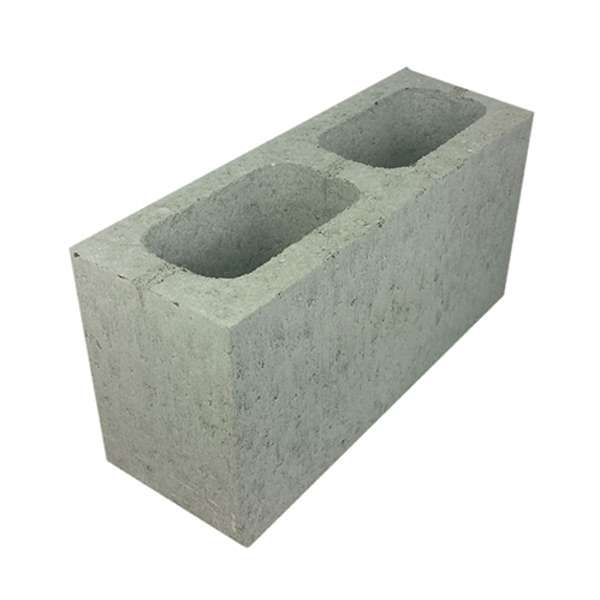
For optimal results when working with
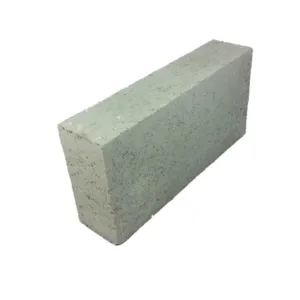
BLOCK 150mm SERIES
, it is crucial to follow best practices. Firstly,
Masonry
blocks should be dry when laid in the wall to minimize subsequent shrinkage. Keeping the blocks dry ensures structural integrity and longevity.
When it comes to cleaning
Concrete Masonry
, it is important to keep mortar off the face of the blocks. Clean off any droppings as work progresses and before the mortar sets. Avoid cleaning down with acid whenever possible to maintain the quality of the blocks. Additionally, care should be taken to order enough product to complete the project at the same time to avoid the possibility of batch variations.
Concrete Masonry
blocks behave differently from clay bricks in terms of moisture movement and temperature changes. Assuming sound foundations are provided, cracks in walls can be avoided by the correct use of control joints, bond beams, and/or joint reinforcement. The rules for using these elements are contained in Australian Standard 3700-2011.
For useful estimating data, blocks with a 390x190mm face equate to 12.5 units per square meter and 2.5 units per lineal meter. To fill 200mm bond beams, allow 0.013m
3
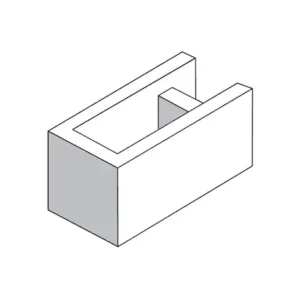
of concrete per lineal meter of beam. To core fill 150mm ‘H’ blocks, allow 0.65m
3
of concrete per 100 blocks. To core fill 200mm blocks, allow 0.8m
3
of concrete per 100 blocks. To core fill 200mm ‘H’ blocks, allow 0.84m
3
of concrete per 100 blocks. To core fill 300mm blocks, allow 1.1m
3
of concrete per 100 blocks. To core fill 300mm ‘H’ blocks, allow 1.32m
3
of concrete per 100 blocks.
Features
Ensure blocks are dry before laying to prevent shrinkage.
Clean mortar droppings immediately to avoid stains.
Order sufficient product to avoid batch variations.